Wang's wokrs
Updated: 2014-02-28 08:45
(China Daily Europe)
|
|||||||||||


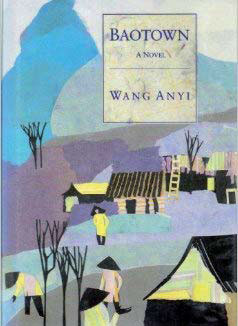
Baotown (1989)
This novel, set in a location and at a time that are unclear, depicts life in a small village after a flood. Wang Anyi tested her writing style, a variation from the grand narration popular at that time. The work echoes the Xungen (searching the root) Movement popular in the late 1980s, which held that Chinese identity needs to be reconstructed through appreciation of local cultures after being destroyed in the "cultural revolution" (1966-76). What Wang is trying to emphasize is the traditional benevolence and uprightness of rural society.
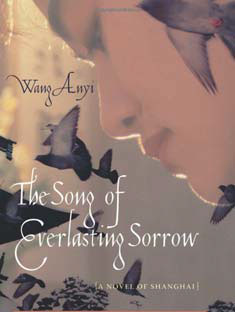
The Song of Everlasting Sorrow (1995)
Wang's most well known novel features Wang Qiyao, winner of an old-Shanghai beauty pageant. The "modern Shanghai epic" traces her life story from the 1940s until the 1990s.
Scent of Heaven (2011)
The novel traces the lives and fates of the members of a family over six generations from the pinnacle of their wealth and power in the late 16th century through their decline over the Ming (1368-1644) and early Qing (1644-1911) dynasties. Wang says she was touched by a real story about the big family, known for a special embroidering skill. It depicts women struggling to balance life, support their men, and pass down needlework skills, as well as the vitality of their creative art.
(China Daily European Weekly 02/28/2014 page29)
Today's Top News
Ukraine mobilizes after Putin's move
War in Ukraine a long shot, experts say
Beijing-area air better than before
EU condemns China's terrorist attacks
Abe 'shut the door': spokesman
Putin not yet decided on use of force in Ukraine
28 dead in Kunming violence
China, UK hold dialogue on ties







Hot Topics
Lunar probe , China growth forecasts, Emission rules get tougher, China seen through 'colored lens', International board,
Editor's Picks
|

|


|

|
|

|